
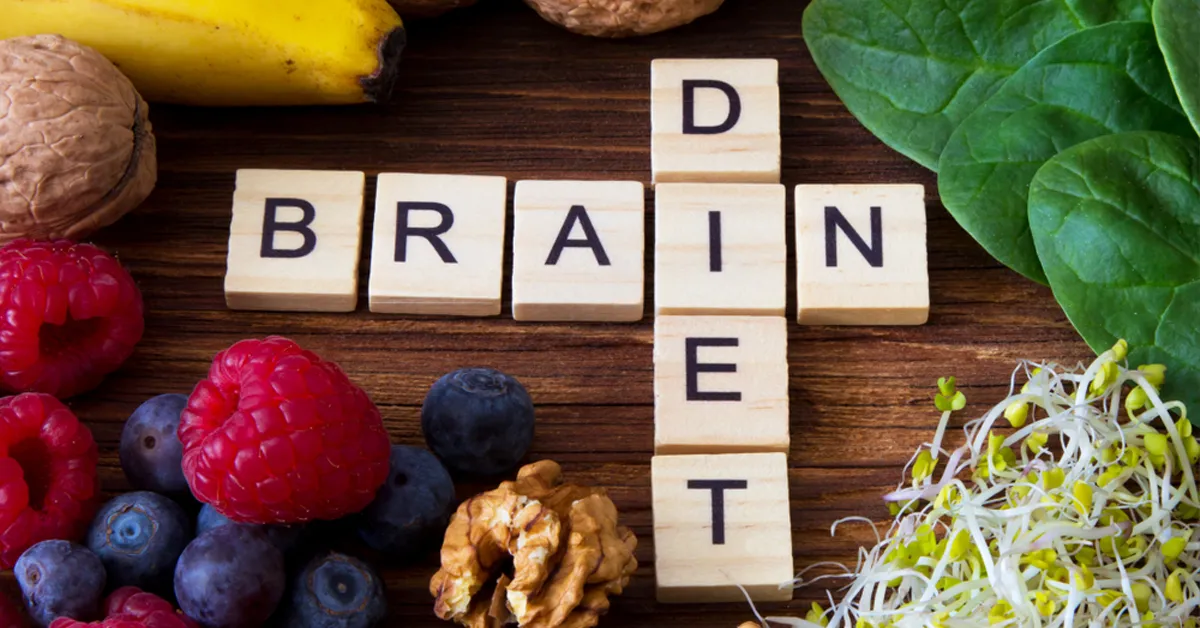
In this course, Dr Leta Pilic, PhD, MPH, RNutr will provide an overview of how knowledge of nutrient-gene interactions may be used in the prevention of Alzheimer’s disease. Dr Leta will start by providing a brief background to the topic explaining the central dogma of molecular biology and how genetic variations may affect our risk of chronic disease and response to nutrients. She will then provide examples of nutritent-gene interactions in the context of Alzheimer’s disease and potential of using these in practice. She will conclude by highlighting advantages and limitations of using nutrition and genetics in providing personalised recommendations and offering some future perspectives.
Leta completed her degree in Nutrition Science at the Faculty of Food Technology and Biotechnology, University of Zagreb, followed by Master’s degree in Public Health at the Andrija Stampar School of Public Health, Medical School, Croatia. After obtaining her Master’s degree and working in pharmaceutical industry for 2 years, Leta moved to the UK and completed her PhD in Nutrition and Genetics at St Mary’s University, Leta’s PhD explored the effects of genetics on blood pressure in response to salt. Currently, she is exploring associations between genetics, dietary intake and chronic disease. She was a senior lecturer on BSc and MSc programmes in Nutrition at St Mary’s University. Leta is also a Fellow of the Higher Education Academy and a Registered Nutritionist with the Association for Nutrition. She is also the founder of Optimyse Nutrition, personalised company providing nutrigenetic testing for clients and education for nutrition and healthcare practitioners.
Key Learning Outcomes are
1) Understand and define key terms in nutrition and genetics (central dogma, nutrigenomics vs nutrigenetics vs personalised nutrition)
2) Define the concept of nutrient-gene interaction
3) Provide examples of gene-diet interactions in Alzheimer’s disease
4) Understand how to and how not to use this information in practice
5) Understand advantages and limitations of using nutrition and genetics in providing personalised recommendations